Ankle Mobility for Stair Climbing and Knee Comfort Plan
A practical plan for improving stair comfort with ankle-mobility checks, calf strength, pacing, footwear context, and knee-pain stop rules.
This article is for general education only and is not medical advice. Stop exercise and seek qualified care for chest pain, fainting, severe shortness of breath, neurological symptoms, uncontrolled blood pressure, recent surgery concerns, pregnancy-related concerns, or symptoms that worsen instead of improving.
Evidence and boundary review
BodyWise Lab articles cite primary sources, show update dates, and separate practical routines from clinical decisions. Source-checking is an editorial process, not a personal medical endorsement.
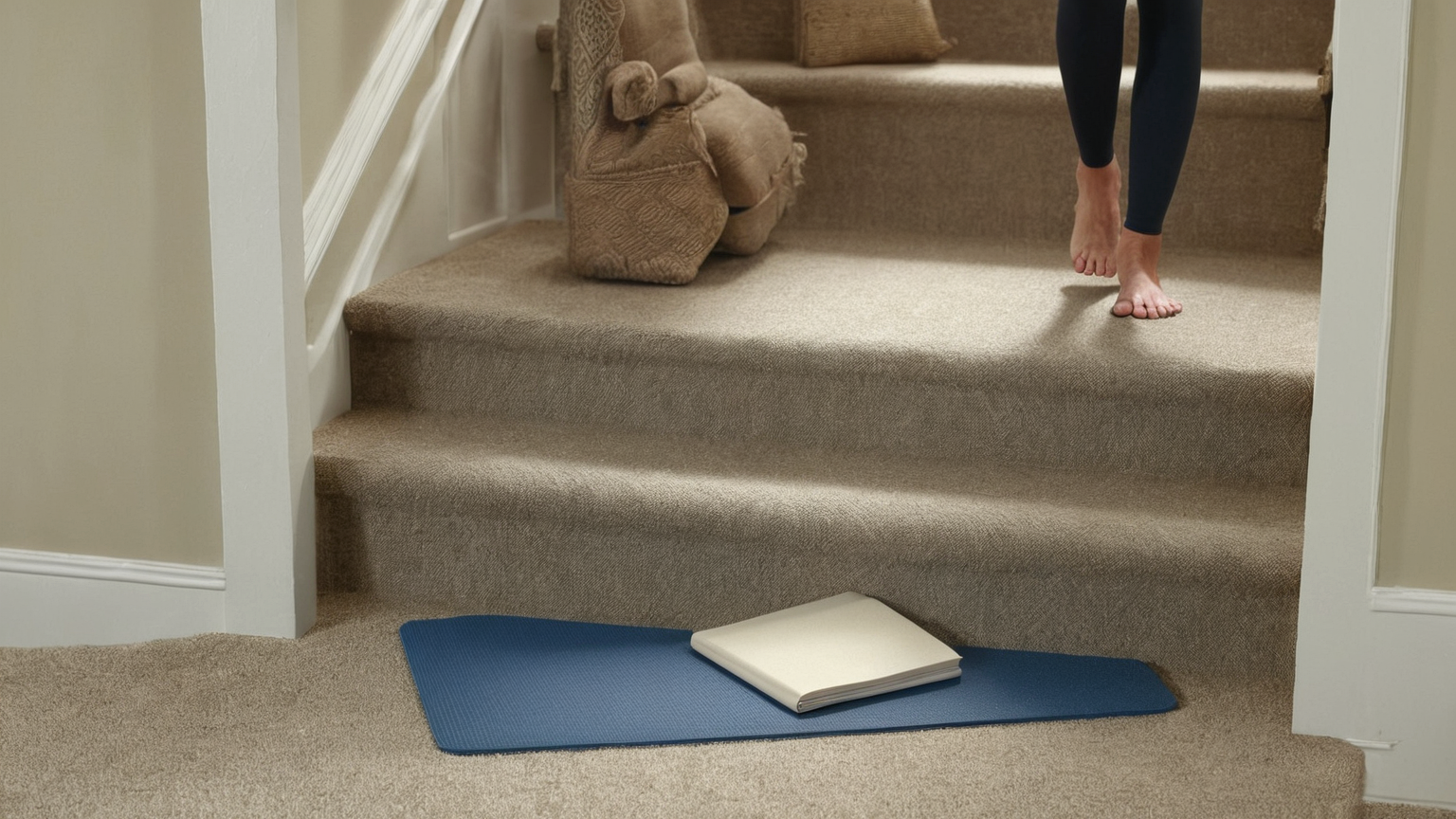
Stair climbing is often blamed on weak knees, but ankle stiffness, calf capacity, footwear, step height, fatigue, and pacing all change how much load reaches the knee. This 2026 plan turns stair discomfort into a conservative self-check routine: screen red flags, test ankle motion, build calf and hip support, and keep professional care in the loop when pain changes movement.
Decision table
| Situation | Safer choice | Mistake to avoid |
|---|---|---|
| Stairs hurt at the front of the knee | Reduce speed, use handrail, test ankle range, and choose a lower step volume | Forcing deep knee bend when pain is rising |
| Ankle feels stiff before training | Use a gentle warm-up and calf/ankle mobility check | Bouncing aggressively into end range |
| Pain changes gait or balance | Stop stair drills and seek qualified evaluation | Treating altered gait as normal soreness |
| Mild stiffness improves with warm-up | Progress volume slowly and log response next day | Adding jumps or heavy carries immediately |
1. Screen pain before mobility work
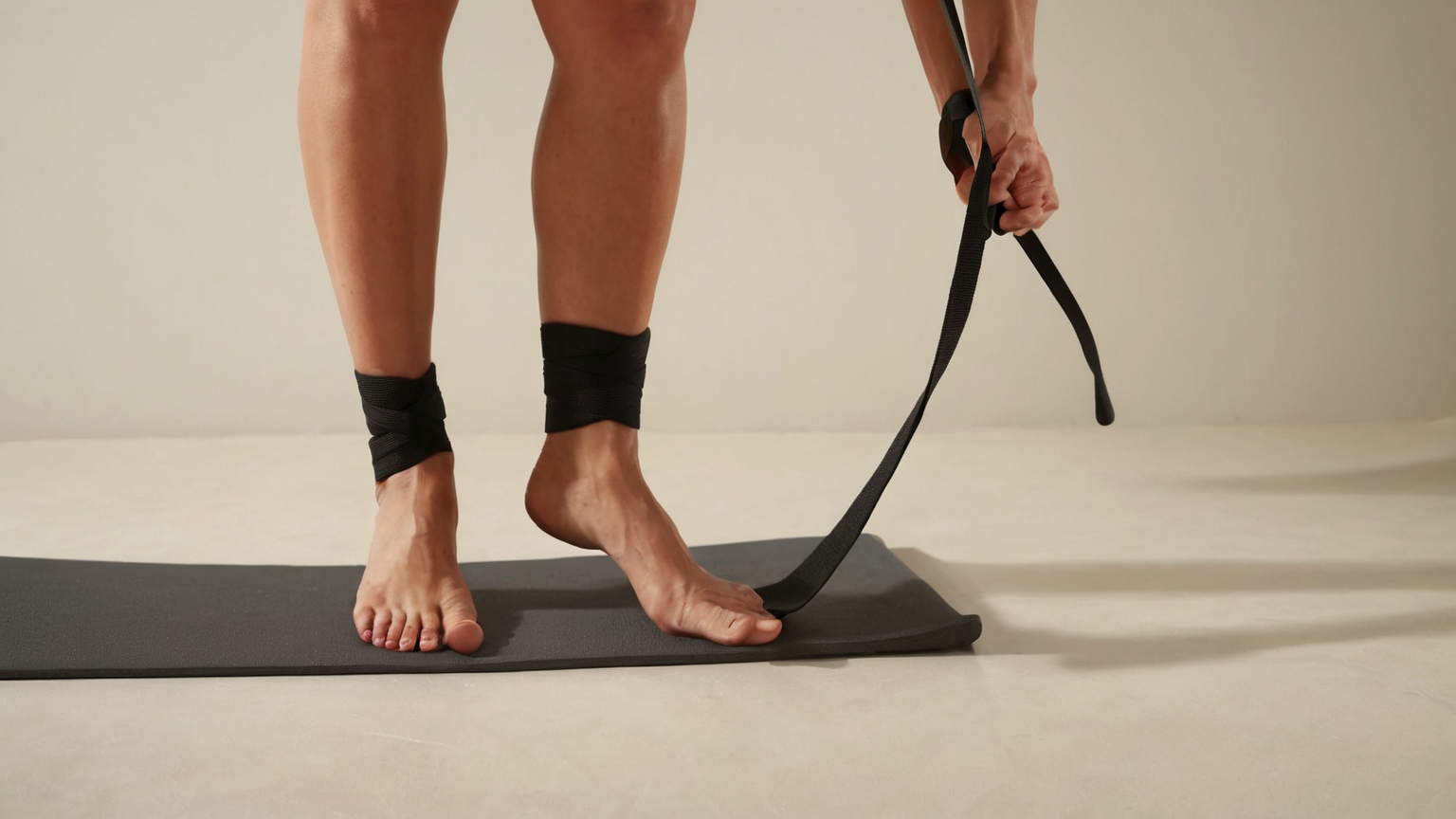
Do not use mobility drills to push through sharp pain, swelling, locking, giving-way, new numbness, recent trauma, or pain that changes how you walk. Start with a normal walking check, then one slow stair ascent with the handrail available. If symptoms escalate or balance feels unreliable, stop the session and use a clinician or physical therapist rather than internet progressions.

Practical rule: write the stop condition before you begin. If the real situation crosses that line, choose the lower- risk option even when it feels inefficient. That habit is what turns a guide into a usable household, training, driving, or kitchen system.
2. Check ankle range in a controlled way
A simple knee-to-wall style check can reveal whether one ankle feels much more restricted than the other, but it is not a diagnosis. Keep the heel down, move slowly, and compare sides without forcing. If the stiff side makes the knee collapse inward or the arch roll, scale the stair plan back and build control before adding speed or load.
Practical rule: write the stop condition before you begin. If the real situation crosses that line, choose the lower- risk option even when it feels inefficient. That habit is what turns a guide into a usable household, training, driving, or kitchen system.
3. Build the calf and foot bridge
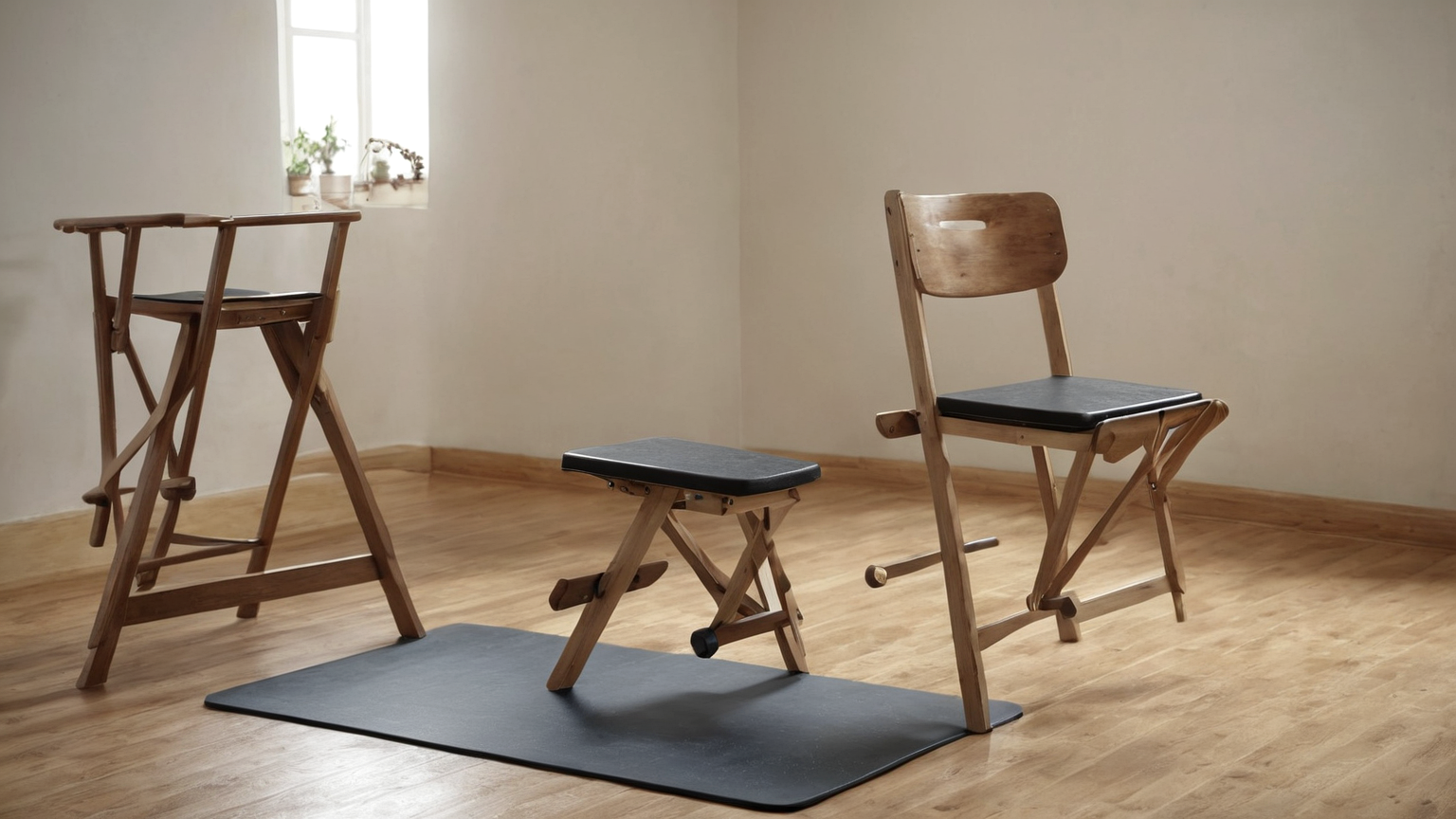
Calf raises, seated calf work, controlled step-downs, and foot intrinsic drills can make stairs feel less abrupt because they prepare the ankle to absorb and return force. Use a stable chair or rail, stop before form breaks, and track next- day response. Strength work should feel repeatable, not like a test of pain tolerance.
Practical rule: write the stop condition before you begin. If the real situation crosses that line, choose the lower- risk option even when it feels inefficient. That habit is what turns a guide into a usable household, training, driving, or kitchen system.
4. Use pacing and environment changes
Stair comfort improves when the environment is predictable: clear clutter, use the handrail, avoid carrying heavy loads during a flare, and choose shoes that do not slide. For office or apartment stairs, split trips, pause on landings, and use elevators strategically while rebuilding capacity.
Practical rule: write the stop condition before you begin. If the real situation crosses that line, choose the lower- risk option even when it feels inefficient. That habit is what turns a guide into a usable household, training, driving, or kitchen system.
5. Progress only when the next day agrees
The useful signal is not just whether a stair set was possible today; it is whether pain, swelling, or stiffness is worse tomorrow. Add repetitions, step height, load, or speed one variable at a time. If the pattern worsens twice, return to the last tolerated level and consider professional evaluation.
Practical rule: write the stop condition before you begin. If the real situation crosses that line, choose the lower- risk option even when it feels inefficient. That habit is what turns a guide into a usable household, training, driving, or kitchen system.
Seven-point implementation checklist
- Check the current official source or alert before relying on memory.
- Set up the physical space before the risky step starts.
- Keep tables, warnings, and step logic in body text rather than unreadable image text.
- Use smaller portions, shorter sessions, slower speeds, or hybrid routines when conditions are uncertain.
- Document the exception so the next attempt improves instead of repeating a mistake.
- Do not add affiliate recommendations where safety or trust is the main reader need.
- Revisit the plan after the season, trip, event, or training block changes.
Source notes and limitations
The linked sources are used to set conservative decision boundaries, not to create medical, legal, electrical, food- service, or mechanical instructions. Local alerts, product manuals, recalls, clinicians, emergency responders, and qualified professionals can override this general planning guide.
FAQ
Why is this a 2026 guide?
The post was prepared during the 2026-06-17 publishing run and its source URLs were checked as part of the workflow. Readers should still open current official pages when conditions are changing.
Why are the visuals plain?
The images are GTI13 raster illustrations. They avoid readable labels, fake dashboards, medical text, food-safety hazards, or appliance-control claims so the factual guidance remains in the article body.
Does this page push products?
No. It supports AdSense readiness through helpful guidance, source transparency, internal navigation, and practical limitations rather than affiliate filler.