Exercise Headache, Heat, and Hydration Red-Flag Plan
A practical plan for deciding when workout headaches are likely routine strain versus a heat, hydration, or medical red flag that should stop the session.

This article is for general education only and is not medical advice. Stop exercise and seek qualified care for chest pain, fainting, severe shortness of breath, neurological symptoms, uncontrolled blood pressure, recent surgery concerns, pregnancy-related concerns, or symptoms that worsen instead of improving.
Evidence and boundary review
BodyWise Lab articles cite primary sources, show update dates, and separate practical routines from clinical decisions. Source-checking is an editorial process, not a personal medical endorsement.
Workout headaches deserve a stop-rule, not guesswork. This article separates ordinary exertion discomfort from heat illness, dehydration, neurological warning signs, medication context, and return-to-training decisions.
Decision table
| Situation | Best next step | Avoid |
|---|---|---|
| Thunderclap, neurological sign, fainting, chest pain, or head injury | Stop and seek urgent qualified help | Searching for a hydration hack |
| Hot day plus headache, nausea, dizziness, or chills | Cool down, move indoors, monitor, and get help if not improving | Finishing intervals to hit a watch goal |
| Mild headache that fades with rest and cooling | Log triggers and resume later at lower intensity | Repeating the same hot session tomorrow |
| Recurring exertional headaches | Discuss the pattern with a clinician | Treating every recurrence as normal soreness |

1. Start with the stop-now screen
Stop the session when headache arrives suddenly and severely, follows a head impact, appears with confusion, fainting, chest pain, weakness, vision change, stiff neck, fever, or heat-illness symptoms. Move to a cooler place, avoid driving yourself when symptoms are neurological or severe, and contact emergency or qualified medical help. This conservative threshold is the core value of the page: readers should not be pushed toward a workout completion mindset when the safer action is stopping.
2. Check heat load before blaming willpower
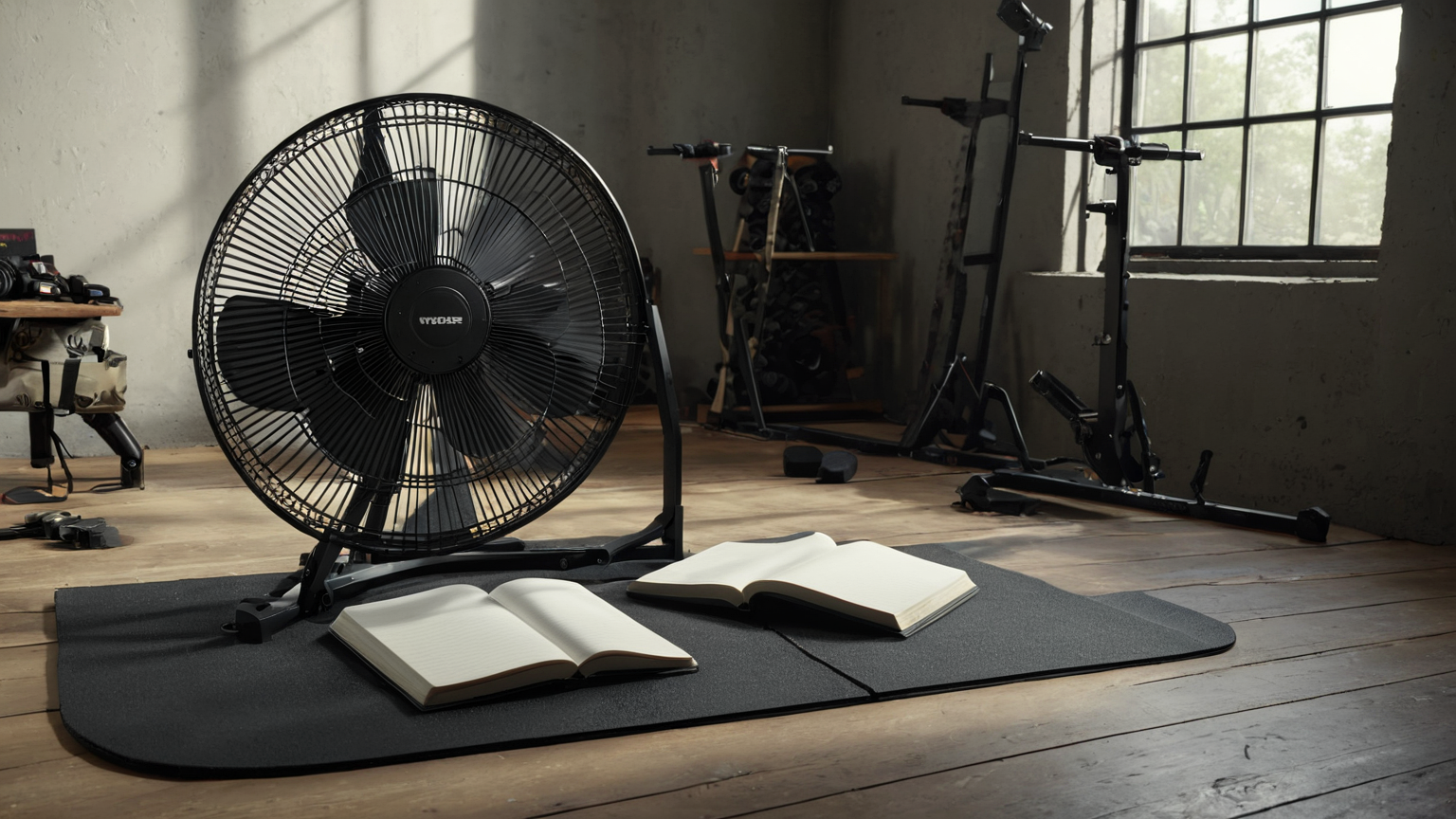
Heat risk is a combination of temperature, humidity, sun, clothing, intensity, sleep, alcohol, illness, and medications. For outdoor training, check the current alert and choose shade, lower intensity, shorter sets, or an indoor session before symptoms build. Indoors, verify airflow and cooling instead of assuming the room is automatically safe. A mild plan completed safely is more useful than a hard session that teaches readers to ignore warning signs.

3. Use hydration as a review, not a cure-all
Thirst, dark urine, dry mouth, dizziness, and unusual fatigue can suggest poor fluid balance, but water alone is not a universal fix. Long sweaty sessions may require sodium from food or an appropriate beverage, while overdrinking plain water can also be unsafe. The practical move is to pause, cool down, sip gradually, review recent intake, and avoid resuming until symptoms clearly settle and no red flags are present.
4. Adjust the next session with load management
If the headache was mild and resolved after cooling, the next workout should be shorter, cooler, and easier. Reduce intervals, heavy bracing, breath-holding, and hot midday exposure. Keep a note of sleep, caffeine, meals, fluid intake, weather, and the exercise that triggered symptoms. Patterns are easier to discuss with a clinician when they are recorded in plain language.

5. Preserve trust with limits and source notes
The page intentionally avoids supplement claims, diagnosis promises, and affiliate pressure. It points readers toward current official heat guidance and reputable medical references, then gives a repeatable decision framework. That protects AdSense readiness because the content is safety-first, evidence-aware, and clear about when professional care outranks a blog checklist.
Practical checklist
- Check current official guidance or the relevant manual before acting.
- Decide the stop, cool-down, medical-help, downgrade, or next-day return rule before workout momentum takes over.
- Keep images illustrative and keep procedures in selectable text, tables, and lists.
- Save a short note about what worked so the next decision is easier.
- Prefer safety, clarity, and reader trust over affiliate density or dramatic claims.
6. A safer return template for the next 24 hours
If symptoms resolved quickly and no red flag appeared, use a conservative next-day template rather than repeating the same session. Start with ten minutes of easy movement in a cooler setting. Recheck headache, dizziness, nausea, vision, coordination, and breathing before adding any load. If all signs stay normal, choose a short Zone 2 or technique session and stop before fatigue changes form. If the headache returns, the useful result is not failure; it is evidence that the original trigger has not been solved.
For strength training, reduce bracing-heavy lifts, repeated breath-holding, and grinding sets. For running, remove hills, heat exposure, and pace targets. For group classes, tell the instructor that you are using a symptom-limited day and will step out if warning signs return. This keeps the article practical for real readers because it translates the medical red-flag screen into a workout decision they can actually follow.
7. What to write down before asking for help
A clinician can interpret the pattern better when the notes are specific. Record the exercise, temperature, humidity, room cooling, sleep, caffeine, alcohol, recent illness, medications or supplements, hydration, meal timing, headache onset, symptoms that came with it, and how long recovery took. Do not exaggerate the log into a self-diagnosis. The goal is to preserve timing and context so a qualified professional does not have to reconstruct the event from memory.
This documentation also protects the reader from repeated trial-and-error. If three hot runs create the same headache, the next step is not a fourth test at the same intensity. It is changing the environment, load, or medical question. A source-backed health article should help readers stop unsafe loops, not merely list symptoms.
AdSense readiness reader-depth review
This additional review section was added to make the page more useful for readers who arrive from search with a practical decision to make about Exercise Headache, Heat, and Hydration Red-Flag Plan. The goal is not to inflate word count. The goal is to show the exact reasoning a cautious reader should use before turning general health information into action. For this topic, the central decision is a fitness or health decision: what should be tried, what should be delayed, and what should be discussed with a qualified professional before the reader treats the article as permission to proceed.
A useful first pass is to separate baseline, risk, and follow-up. Baseline means the reader understands their current routine, recent symptoms, sleep, training load, and previous response to similar sessions or products. Risk means the reader checks symptoms, environment, training age, recovery, heat, hydration, and qualified professional advice. Follow-up means the reader knows what to record after the decision: session duration, effort, symptoms, comfort, next-day fatigue, and whether the choice made the next workout easier or harder. That loop is what separates helpful guidance from a thin recommendation list.
| Reader question | Better action for this article | Why it improves trust |
|---|---|---|
| What am I trying to solve? | Name the specific training, recovery, comfort, or safety problem before acting | Prevents buying or training for a vague goal |
| What could make this unsafe today? | Check symptoms, environment, recovery, and personal restrictions first | Keeps the article from replacing qualified care |
| What is the smallest useful test? | pick the conservative option when two warning signs overlap and write down the stop rule before starting | Preserves consistency without forcing a high-risk leap |
| What should I document? | Note dose, duration, conditions, symptoms, and next-day response | Makes future decisions evidence-based rather than emotional |
The page should also be read with clear limits. It is not a diagnosis, treatment plan, personalized coaching program, or guarantee of results. If symptoms are severe, unusual, worsening, or linked with chest pain, fainting, neurological signs, major injury, medication concerns, or a clinician’s restriction, the article should be paused and qualified guidance should take priority. If the topic involves a product, the manufacturer’s current instructions and safety warnings also matter more than a blog summary.
For AdSense review, this matters because a strong health and fitness page should not look like a doorway to products, generic motivation, or copied search snippets. It should help a real person make a safer, more specific choice. The practical standard for this BodyWise Lab article is simple: use primary or authoritative sources, keep commercial pressure low, write warnings in readable text, and give the reader a repeatable method for deciding what to do next.
Final reviewer-quality decision check
Before following this page, make one written choice: train as planned, downgrade, postpone, or seek qualified help. The choice should be based on the warning signs described above, not on streak pressure, a wearable badge, or the fear of losing progress. If the safer choice feels disappointing, record the reason and choose a low-risk recovery action such as walking, mobility, cooling, hydration, or sleep preparation. That still counts as a useful fitness decision because it protects the next several sessions.
For search readers, this final check is the page’s promise: practical source-backed guidance first, commercial pressure last, and clear limits whenever symptoms or medical context make a generic workout plan inappropriate.
FAQ
Why is this article dated? It was checked against the listed sources on 2026-06-12. Current alerts, product manuals, local rules, and qualified advice still take priority.
Does the page recommend products? No. This daily article is written as a helpful-content and AdSense-readiness improvement, not an affiliate placement.
How should readers use the images? The GTI13 images illustrate the setting only. The actual instructions are in the text so they can be read, searched, translated, and checked.