Heat Acclimation Walking Plan: Build Summer Fitness Without Overheating
A practical July 2026 guide to easing into hot-weather walking with heat-acclimation timing, hydration checks, stop rules, and safer backup workouts.
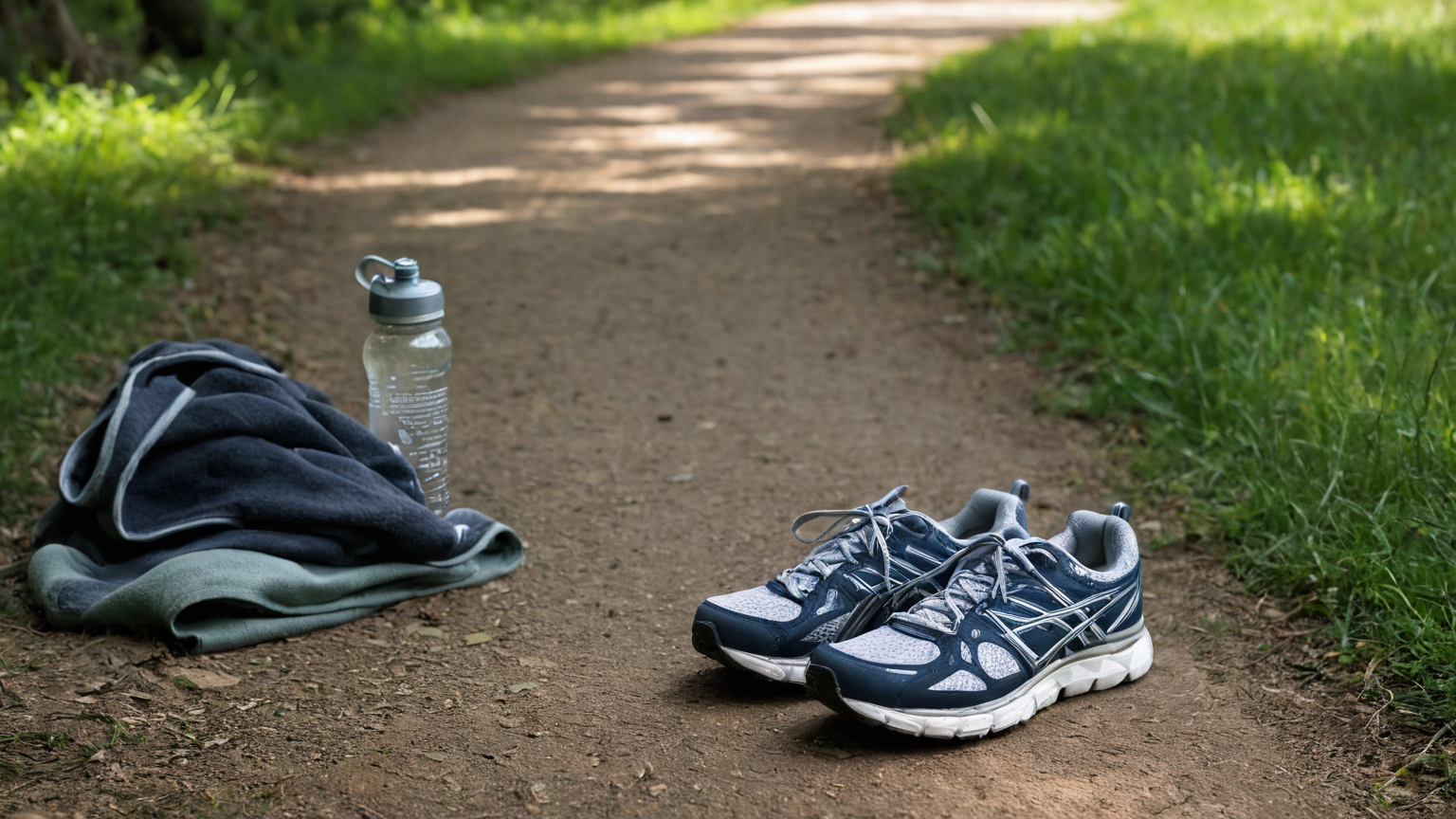
This article is for general education only and is not medical advice. Stop exercise and seek qualified care for chest pain, fainting, severe shortness of breath, neurological symptoms, uncontrolled blood pressure, recent surgery concerns, pregnancy-related concerns, or symptoms that worsen instead of improving.
Evidence and boundary review
BodyWise Lab articles cite primary sources, show update dates, and separate practical routines from clinical decisions. Source-checking is an editorial process, not a personal medical endorsement.
Heat Acclimation Walking Plan: Build Summer Fitness Without Overheating
Hot-weather walking is not just the same workout with more sweat. Heat changes how hard a normal pace feels, how quickly your heart rate climbs, how much recovery you need, and how small mistakes compound. This guide was checked on 2026-07-01 against CDC, National Weather Service, OSHA, MedlinePlus, and physical-activity guidance. It is written for generally healthy recreational walkers who want a practical, conservative plan; it is not a substitute for clinician advice if you have heart, kidney, endocrine, pregnancy-related, medication, or heat-illness risk factors.
The goal is heat acclimation without gambling. You will keep the walk short enough that tomorrow still feels normal, use the talk test instead of ego pace, and treat shade, water, and cooling as part of the workout rather than optional extras.
Quick decision table before you leave
| Pre-walk signal | Green-light choice | Caution choice | Stop or move indoors |
|---|---|---|---|
| Heat index and air quality | Mild or familiar for your area | Higher than recent days, humid, or sunny route | Heat alerts, wildfire smoke, or no shaded backup |
| Body status | Slept normally, no illness, normal appetite | Poor sleep, mild soreness, stressful day | Fever, vomiting, diarrhea, chest symptoms, dizziness |
| Route | Looped, shaded, water nearby | Some sun but easy bailout | Remote route with no shade, water, or phone coverage |
| Effort target | Easy talk-test pace | Short walk plus extra breaks | Intervals, hills, or pace goals in heat |
| Recovery plan | Cool room, fluids, meal available | Limited cooling afterward | Must drive/work immediately while overheated |
If two or more items land in the caution column, reduce the plan before starting. If anything lands in the stop column, choose an indoor walk, mobility session, or rest day. A skipped hot-weather workout is not lost fitness; it is risk management that lets the next week stay consistent.
The 14-day heat-acclimation walking progression
This progression assumes you have been walking at least a little already. If you are restarting after illness, injury, or a long layoff, begin with the indoor fallback and ask a qualified professional about safe progression.
| Days | Outdoor walking dose | Intensity target | Upgrade only if |
|---|---|---|---|
| 1-3 | 10-15 minutes | Comfortable conversation | No dizziness, headache, nausea, or unusual fatigue later |
| 4-6 | 15-20 minutes | Talk test stays easy | You recover within one hour and sleep normally |
| 7-10 | 20-30 minutes | Easy to moderate, no surges | Same route feels predictable in similar weather |
| 11-14 | 30-40 minutes or split walks | Still conversational | You can add time without chasing pace |
Do not add heat, time, hills, and speed in the same week. Pick one variable. For most people, time is the safest first variable because pace naturally floats down when heat rises.
Step 1: Choose the right part of the day
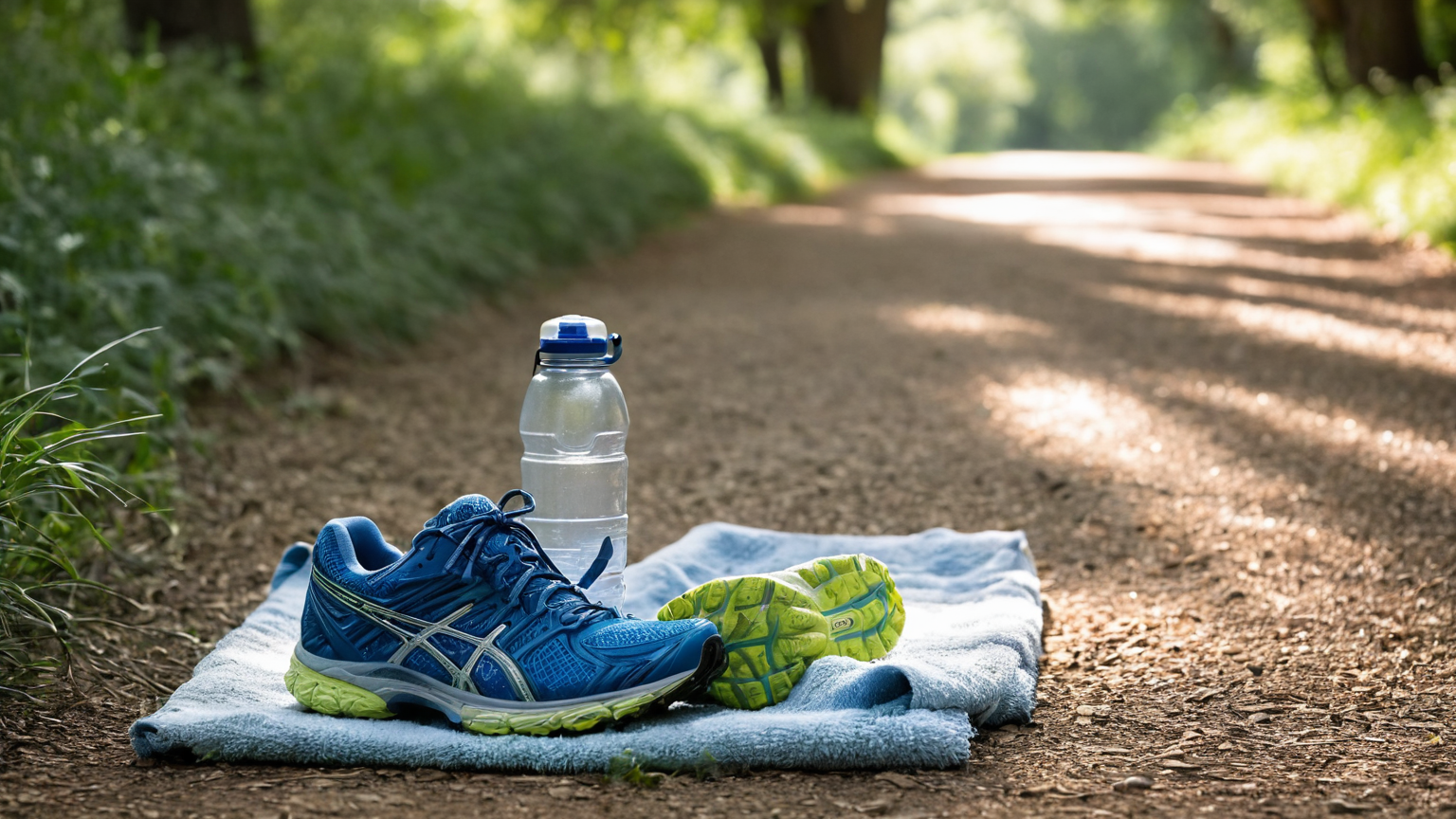
Early morning is usually easier than late afternoon because pavement, cars, and buildings have not stored as much heat. Evening can work when the sun is lower, but pavement can still radiate heat. The best route is a short loop near shade, public water, a restroom, and a quick exit. A loop is safer than an out-and-back because you can stop after one lap without being stranded halfway home.
Check the forecast and heat alerts before leaving. Do not rely only on the temperature number. Humidity, direct sun, wind, pavement, and your recent exposure all matter. If yesterday was cool and today is the first sharp heat spike, treat your body as unacclimated even if you are fit.
Step 2: Use the talk test, not your normal pace
Hot weather makes familiar paces more expensive. A pace that feels easy in spring can become a threshold workout in humid summer air. Use the talk test: you should be able to speak in complete sentences without gasping. If you can only answer in fragments, slow down, move into shade, or end the walk.
Wearable heart-rate data can help, but it is not the only truth. Optical sensors can be noisy, and heat can raise heart rate even when pace is lower. The practical rule is simple: if effort rises while pace falls, the environment is winning. Respect that signal.
Step 3: Build a water-rest-shade routine
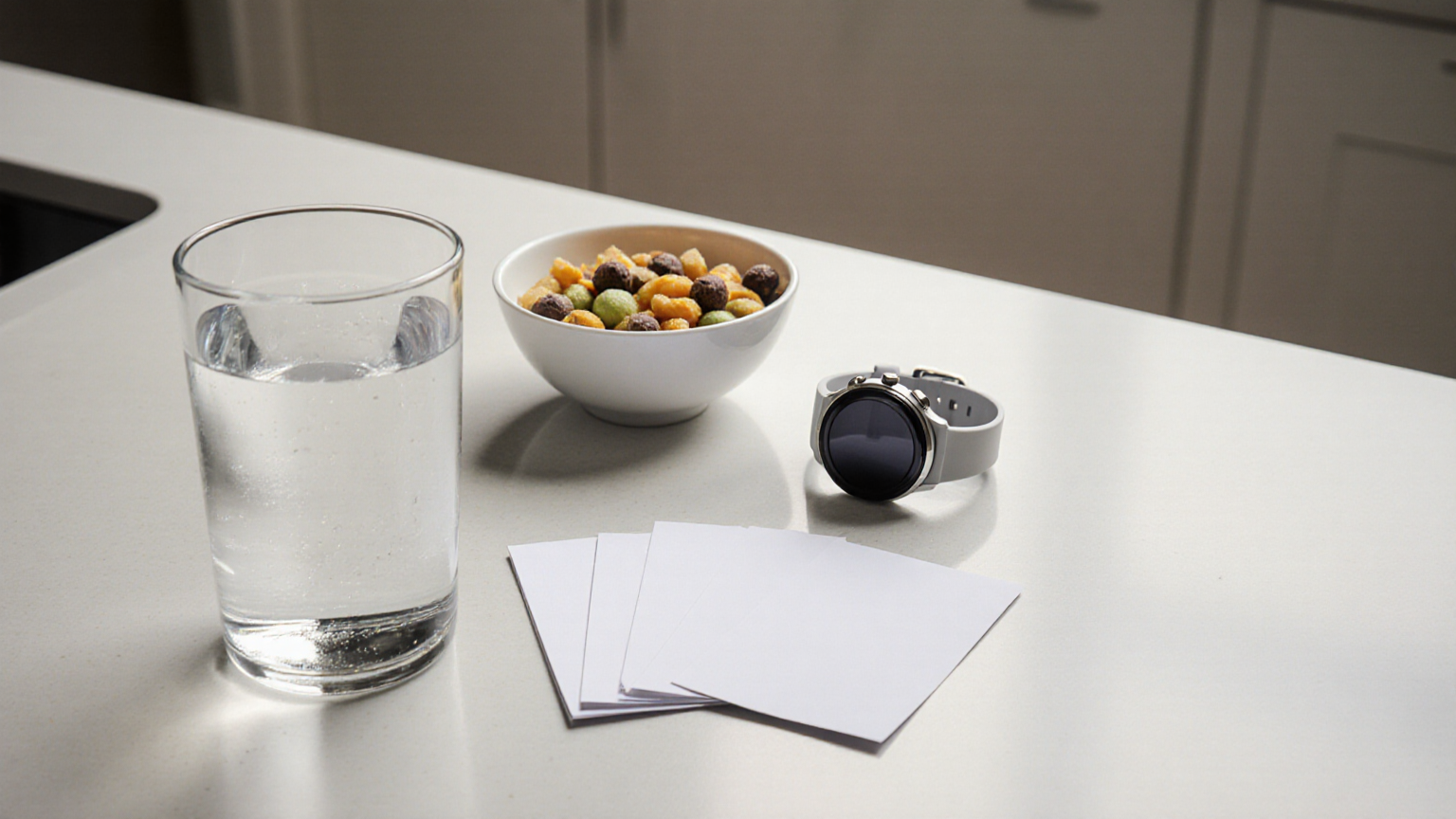
OSHA uses the simple phrase water, rest, shade for heat-exposure prevention. Recreational walkers can borrow the same structure. Drink before you leave if you start the morning dry, carry water on routes longer than a short neighborhood loop, and plan shade breaks before you feel desperate for them. For very short easy walks, you do not need to force excessive fluid; the point is access and awareness, not overdrinking.
A good shade break is boring: stop, breathe normally, sip, and check whether symptoms are improving. If you feel worse in the shade, the workout is over. Walk home slowly by the shortest shaded path, call for help if needed, and do not treat symptoms as something to push through.
Step 4: Separate heat acclimation from fitness testing
A common mistake is to turn the first hot week into a character test. Heat acclimation is a biological adjustment, not a race. Keep intervals, hard hills, loaded rucks, and personal-record attempts out of the first two weeks of hot-weather exposure. If you want a fitness stimulus, use an indoor bike, treadmill, or strength session in a cooler room on a separate day.
The safest success metric is repeatability. Ask: could I do a similar easy walk again in two days? Did I sleep normally? Did my appetite return? Did I avoid a headache later? If the answer is yes, the dose was probably sensible.
Red flags that end the session
Stop immediately for confusion, fainting, severe weakness, chest pain, shortness of breath that feels abnormal for you, chills in heat, vomiting, a pounding headache, stumbling, or symptoms that do not improve with shade and cooling. Heat illness can progress quickly. If someone is confused, loses consciousness, or cannot cool down, treat it as urgent and seek emergency help.
Also stop for less dramatic but meaningful signals: you keep drifting into the sun because attention is fading, your route suddenly feels hard to navigate, you are no longer sweating normally for your pattern, or you feel unusually irritable and uncoordinated. These are not badges of toughness; they are reasons to end the walk.
What to wear and carry
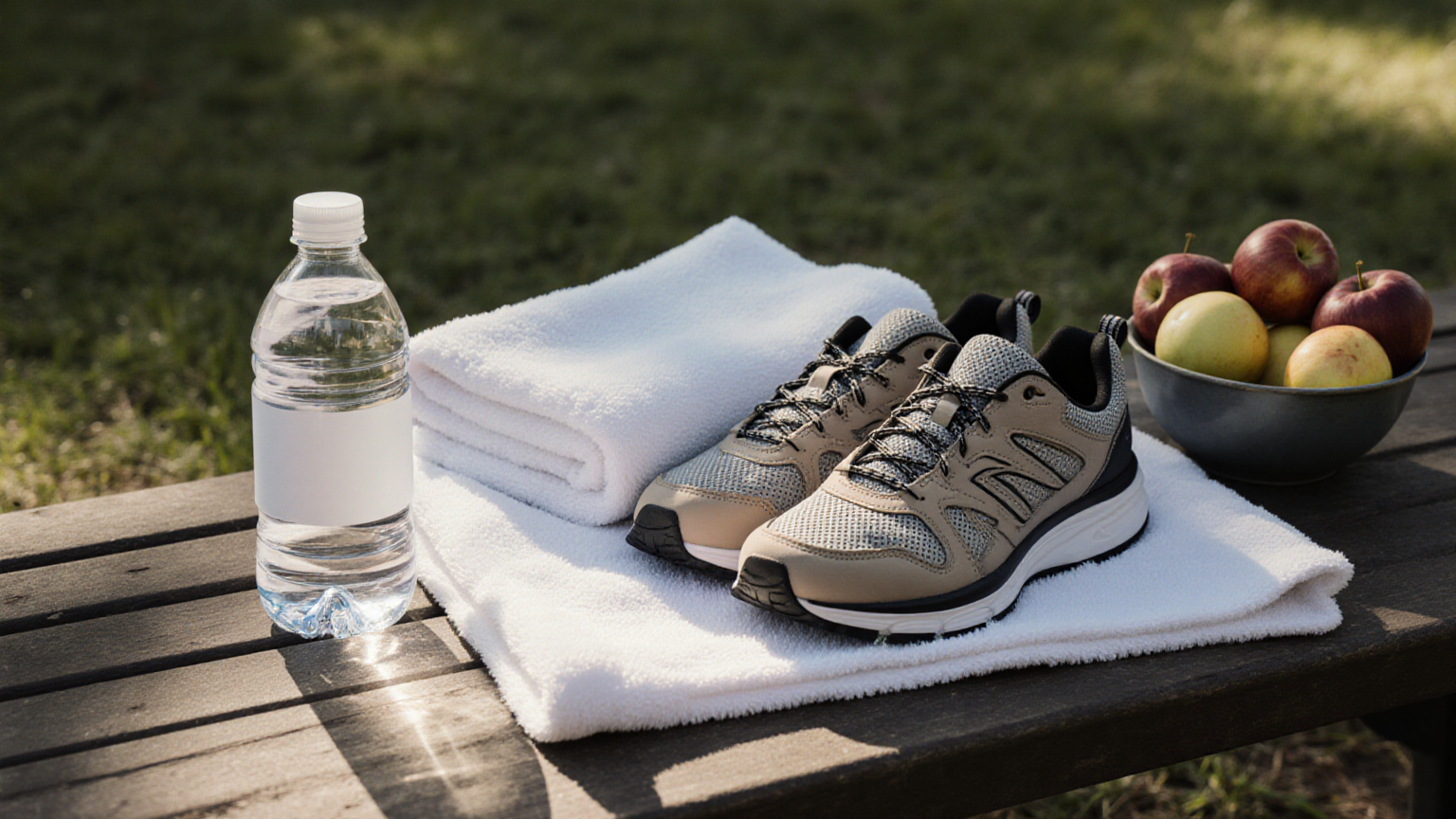
Choose breathable clothing, a hat or visor if it helps, sunglasses, and shoes that feel stable when pavement is hot or damp. Sunscreen matters for many walkers, but do not let sunscreen create false confidence about heat load. Sun protection reduces UV exposure; it does not make a high heat index safe.
Carry a phone, ID, and a simple bailout plan. If you use medication that affects fluid balance, sweating, heart rate, alertness, or heat tolerance, ask a clinician or pharmacist how heat changes your exercise plan. This is especially important for people with cardiovascular disease, diabetes, kidney disease, prior heat illness, older adults, and anyone exercising after recent infection.
Indoor fallback that still counts
When the heat plan fails, do not replace it with nothing unless rest is what you need. Use a cool-room fallback: 10 minutes of easy treadmill walking, a gentle mobility circuit, or three short walking breaks indoors. Keep it easy enough that you finish refreshed. This preserves the habit loop without adding heat stress.
A simple fallback circuit is five rounds of one minute easy marching, five slow sit-to-stands, five wall pushups, and one minute of relaxed breathing. It is not glamorous, but it keeps momentum while respecting conditions.
A practical weekly template
| Day | Main choice | Heat rule | Backup |
|---|---|---|---|
| Monday | 15-minute easy morning walk | No pace target | Indoor mobility |
| Tuesday | Strength or rest | Cooler room | Gentle walk indoors |
| Wednesday | 20-minute shaded loop | Add shade break at halfway | Split into two 10-minute walks |
| Thursday | Rest or easy walk | Check sleep and headache status | Rest if recovery is poor |
| Friday | 20-30 minutes easy | No hills if humid | Treadmill or mall walk |
| Saturday | Optional longer walk | Start earlier, carry water | Shorter loop |
| Sunday | Review week | Adjust next week by symptoms | Deload if heat felt cumulative |
Troubleshooting common problems
If your heart rate is unusually high at a very slow pace, shorten the walk and compare conditions with a cooler day. If headaches appear later, reduce exposure, check hydration and food timing, and avoid direct sun until you know the pattern. If legs feel heavy but breathing is fine, the heat dose may still be too much; choose flatter routes and more shade. If you feel anxious about stopping early, set a minimum-success rule before leaving: five easy minutes and a safe return is a completed session.
Summary checklist
- Check heat alerts, humidity, air quality, and route shade before leaving.
- Begin with 10-15 minutes if heat is new or higher than recent days.
- Use the talk test; do not chase normal cool-weather pace.
- Plan water, rest, shade, and a short bailout route.
- Stop for confusion, faintness, chills, nausea, severe headache, chest pain, or symptoms that do not improve quickly.
- Keep hard intervals and hills out of the first hot-weather acclimation block.
- Use an indoor fallback when conditions or recovery make outdoor walking a poor trade.