Sleep Debt Workout Recovery Plan
A practical plan for adjusting training after short sleep: readiness checks, lower-risk workout swaps, recovery blocks, and when to skip hard sessions.

This article is for general education only and is not medical advice. Stop exercise and seek qualified care for chest pain, fainting, severe shortness of breath, neurological symptoms, uncontrolled blood pressure, recent surgery concerns, pregnancy-related concerns, or symptoms that worsen instead of improving.
Evidence and boundary review
BodyWise Lab articles cite primary sources, show update dates, and separate practical routines from clinical decisions. Source-checking is an editorial process, not a personal medical endorsement.
Sleep debt does not automatically cancel every workout, but it should change the decision. A hard session after several short nights can turn a useful training plan into a recovery problem: poorer coordination, lower motivation, higher perceived effort, and less room for nutrition or stress mistakes. This guide was checked on 2026-06-17 against CDC, NIH/NHLBI, ACSM, Mayo Clinic, and American Heart Association sources. It is not medical advice; chest pain, fainting, illness symptoms, injury, drowsy driving risk, or ongoing insomnia should move the decision to a qualified clinician or emergency guidance.
Decision table
| Situation | Safer choice | Mistake to avoid |
|---|---|---|
| One short night, no symptoms | Keep the habit but reduce intensity | Doing a personal-record attempt to prove discipline |
| Several short nights in a row | Choose mobility, walking, or rest | Stacking intervals on an already stressed system |
| Heavy lifting planned | Reduce load and avoid grinder reps | Training to failure with poor coordination |
| Drowsiness affects driving or work | Skip hard training and protect sleep | Making the workout the reason tomorrow is worse |
1. Run a three-signal readiness check before training
Use sleep duration, how you feel when standing and moving, and the consequence of failure. One short night before an easy walk is different from five short nights before heavy lifting, sprint intervals, or a long drive afterward. If you feel clumsy, unusually irritable, chilled, dizzy, or unable to focus, treat that as real data rather than weakness. The safest workout is the one you can complete with clean form and still recover from.

Practical rule: write the stop condition before you begin. If the real situation crosses that line, choose the lower- risk option even when it feels inefficient. That habit is what turns a guide into a usable household, training, driving, or kitchen system.
2. Swap intensity before you swap the whole habit
The goal is to protect consistency without pretending that all exercise stress is equal. Replace max-effort intervals with zone-2 cardio, mobility, technique practice, an easy walk, or a shorter strength session that avoids grinding repetitions. Keep the movement pattern familiar and reduce load, speed, duration, or complexity. A recovery day is not a failed training day when it prevents a bigger setback.

Practical rule: write the stop condition before you begin. If the real situation crosses that line, choose the lower- risk option even when it feels inefficient. That habit is what turns a guide into a usable household, training, driving, or kitchen system.
3. Protect the next night while you train today
Caffeine timing, late-night screens, alcohol, heavy evening meals, and unfinished work can keep the cycle going. After a sleep-debt workout, end with a clear shutdown plan: lighter dinner, earlier device cutoff, a prepared morning bag, and no revenge-bedtime scrolling. The workout should make tomorrow easier, not prove you can push through one more depleted day.

Practical rule: write the stop condition before you begin. If the real situation crosses that line, choose the lower- risk option even when it feels inefficient. That habit is what turns a guide into a usable household, training, driving, or kitchen system.
4. Use red flags that stop the session
Stop or downgrade immediately for chest discomfort, unusual shortness of breath, dizziness, severe headache, near- syncope, new injury pain, or form breakdown that you cannot correct. Also stop if fatigue makes driving, work, childcare, or meal prep unsafe afterward. The body does not separate training stress from life stress; the plan has to include what happens after the last set.

Practical rule: write the stop condition before you begin. If the real situation crosses that line, choose the lower- risk option even when it feels inefficient. That habit is what turns a guide into a usable household, training, driving, or kitchen system.
5. Make the plan measurable without fake precision
Wearables can help, but do not outsource judgment to a recovery score. Track sleep opportunity, bedtime consistency, perceived exertion, soreness, and the next-day result. If a certain workout repeatedly ruins sleep or work focus, it is too expensive for that week. Good helpful content gives readers a repeatable decision system, not a magical threshold.
Practical rule: write the stop condition before you begin. If the real situation crosses that line, choose the lower- risk option even when it feels inefficient. That habit is what turns a guide into a usable household, training, driving, or kitchen system.
Seven-point implementation checklist
- Check the current official source or alert before relying on memory.
- Set up the physical space before the risky step starts.
- Keep tables, warnings, and step logic in body text rather than unreadable image text.
- Use smaller portions, shorter sessions, slower speeds, or hybrid routines when conditions are uncertain.
- Document the exception so the next attempt improves instead of repeating a mistake.
- Do not add affiliate recommendations where safety or trust is the main reader need.
- Revisit the plan after the season, trip, event, or training block changes.
Source notes and limitations
The linked sources are used to set conservative decision boundaries, not to create medical, legal, electrical, food- service, or mechanical instructions. Local alerts, product manuals, recalls, clinicians, emergency responders, and qualified professionals can override this general planning guide.
FAQ
Why is this a 2026 guide?
The post was prepared during the 2026-06-17 publishing run and its source URLs were checked as part of the workflow. Readers should still open current official pages when conditions are changing.
Why are the visuals plain?
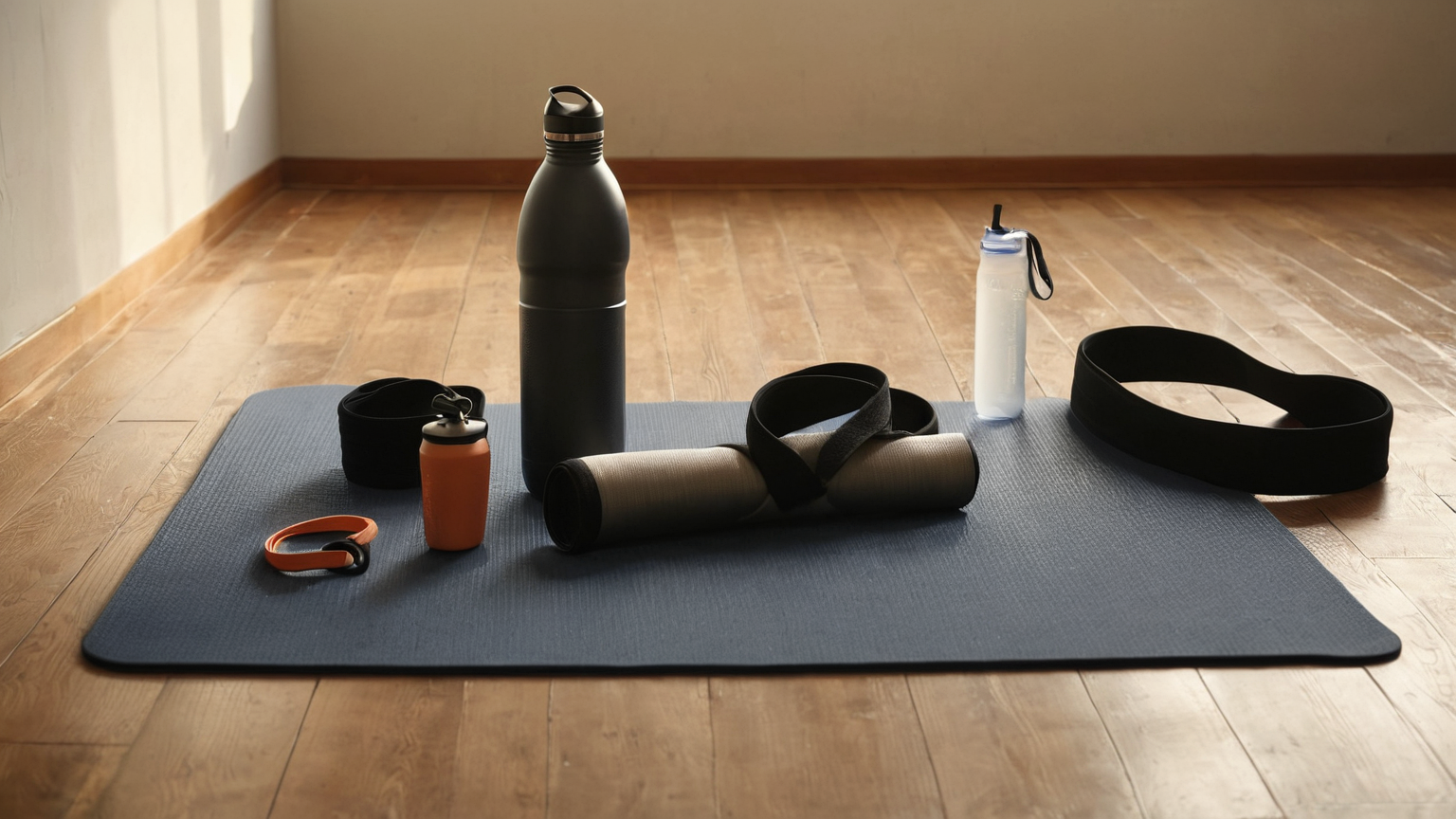
The images are GTI13 raster illustrations. They avoid readable labels, fake dashboards, medical text, food-safety hazards, or appliance-control claims so the factual guidance remains in the article body.
Does this page push products?
No. It supports AdSense readiness through helpful guidance, source transparency, internal navigation, and practical limitations rather than affiliate filler.