Summer Travel Hotel Gym Equipment Hygiene Workout Plan
A practical, safety-first routine for using hotel gyms during summer travel: equipment checks, hygiene, hydration, workout swaps, and when to skip.
This article is for general education only and is not medical advice. Stop exercise and seek qualified care for chest pain, fainting, severe shortness of breath, neurological symptoms, uncontrolled blood pressure, recent surgery concerns, pregnancy-related concerns, or symptoms that worsen instead of improving.
Evidence and boundary review
BodyWise Lab articles cite primary sources, show update dates, and separate practical routines from clinical decisions. Source-checking is an editorial process, not a personal medical endorsement.
Hotel gyms are convenient, but summer travel changes the risk calculation: unfamiliar equipment, inconsistent cleaning, dehydration, sleep debt, and crowded schedules can turn an ordinary workout into an avoidable problem. This guide was checked on 2026-06-23 against CDC, NIH MedlinePlus, ACSM, and Mayo Clinic sources. It is not medical advice; stop and seek qualified help for chest pain, fainting, severe shortness of breath, acute injury, fever, or symptoms that make travel or driving unsafe.
Quick decision table
| Situation | Safer choice | Mistake to avoid |
|---|---|---|
| Equipment feels loose or unfamiliar | Switch to bodyweight, bands, or light dumbbells | Learning a complex machine under fatigue |
| Room is hot or poorly ventilated | Use easy mobility or a short circuit | Trying to “sweat it out” in travel heat |
| Cleaning supplies are missing | Use towel barrier and choose low-contact movements | Sharing mats or benches bare-skin without a plan |
| Sleep or hydration is poor | Train at conversational effort | Chasing a missed hard session |
Inspect the room before the warm-up
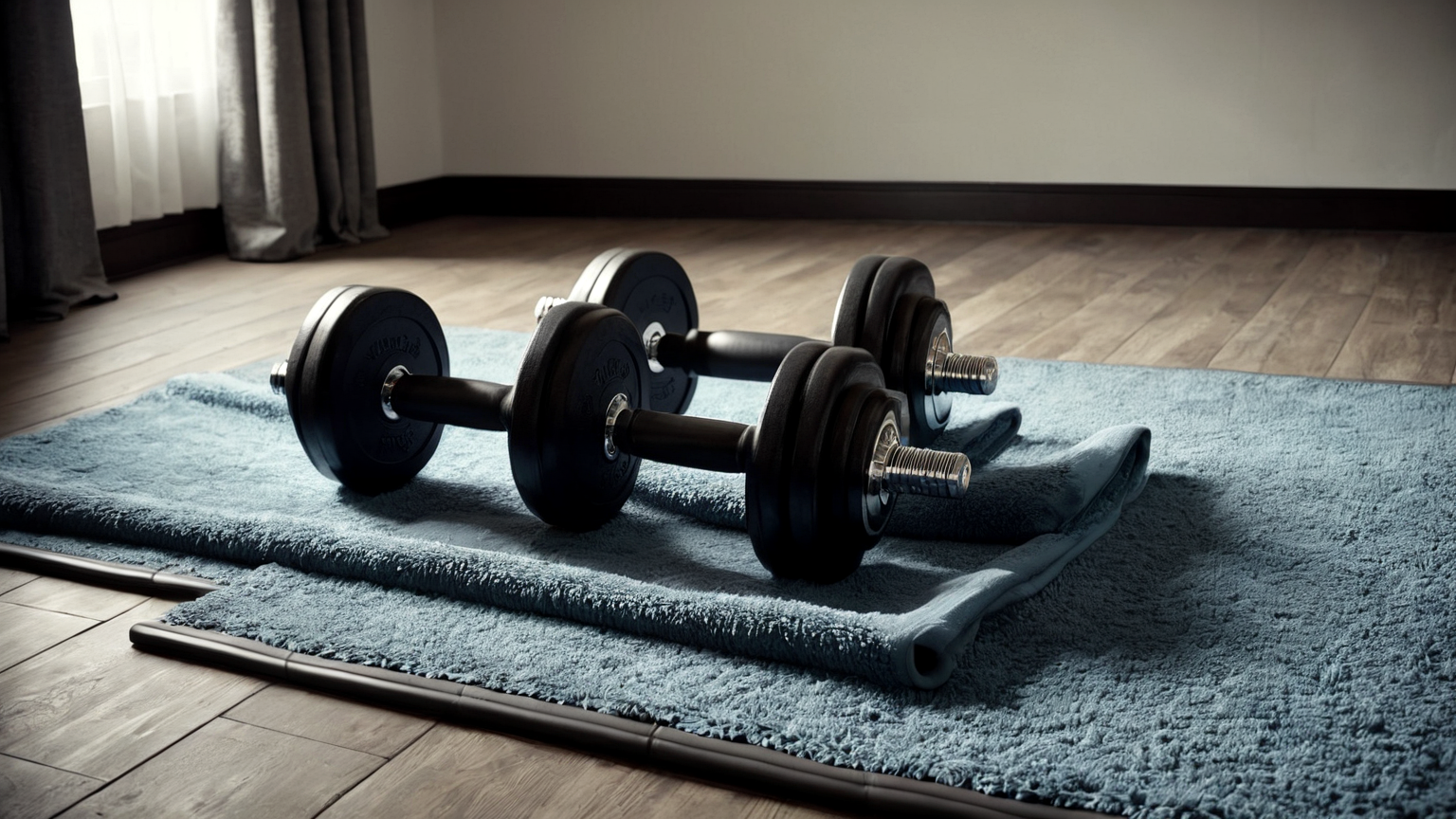
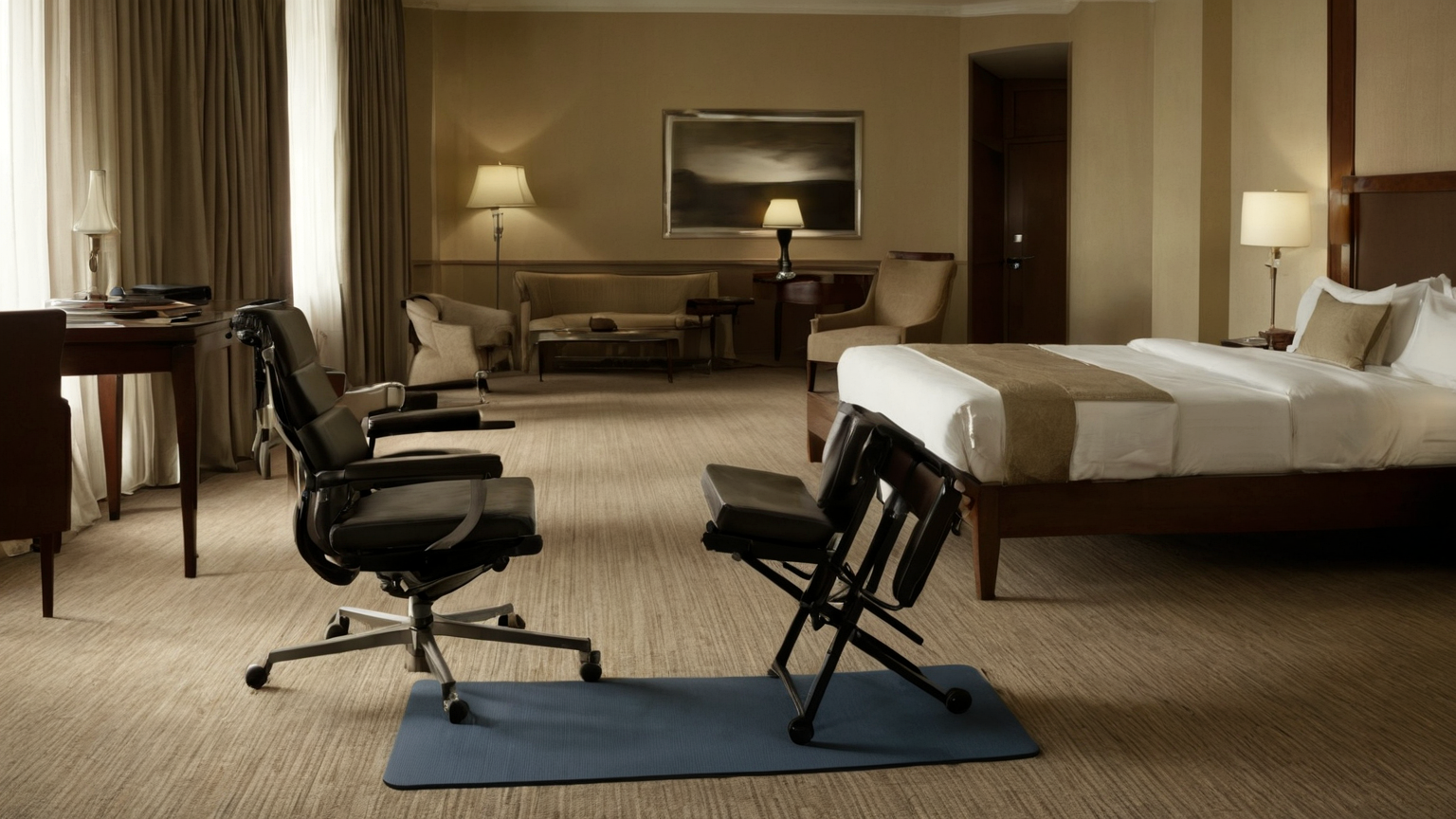
Walk the space once before touching equipment. Look for loose cables, unstable benches, wet floors, blocked exits, broken pins, missing collars, and machines that move unevenly. If a machine feels unfamiliar, choose a simpler dumbbell, band, bodyweight, or mobility option instead. A hotel gym is not the place to test a personal record on equipment you cannot adjust confidently.
Use hygiene as part of the workout plan
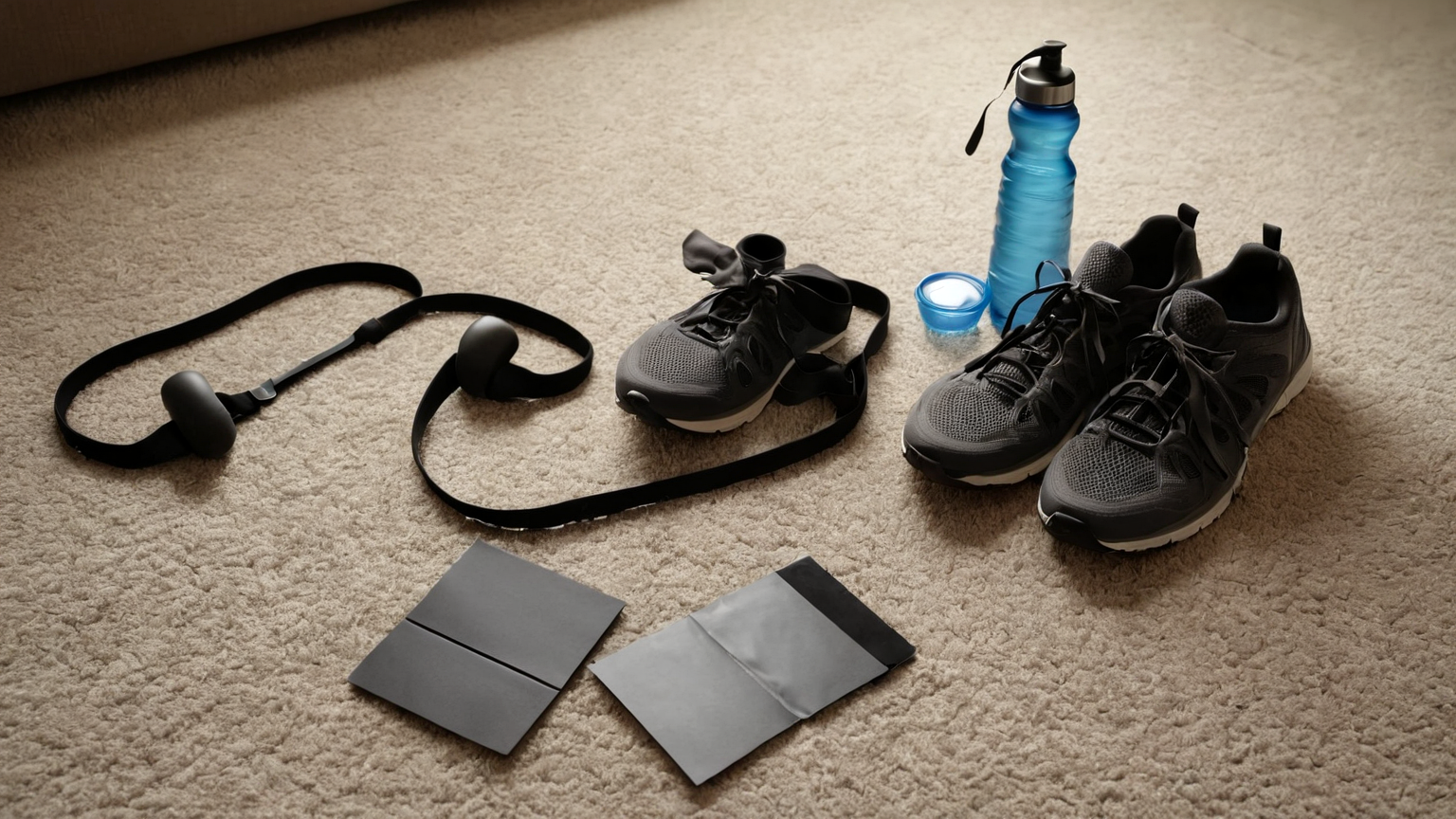
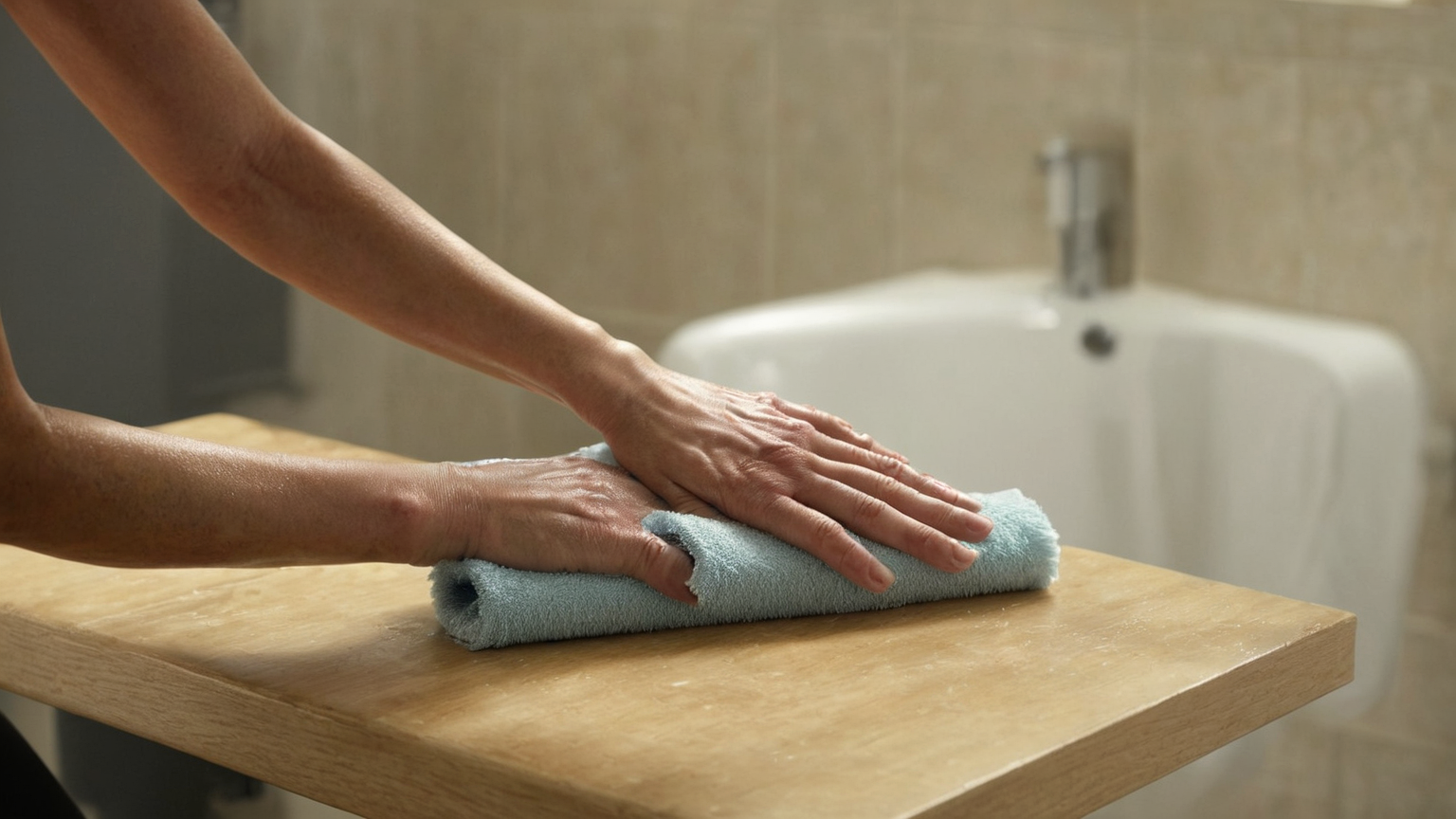
Clean hands before and after training, avoid touching your face between sets, and wipe shared surfaces before and after use when supplies are available. Bring a small towel barrier for benches and mats, and keep water bottles, phones, earbuds, and room keys off the floor. Hygiene does not need to become anxiety; it should be a repeatable routine that keeps the session simple.
Downgrade intensity when travel stress is high
Late flights, alcohol, heavy meals, heat exposure, and poor sleep all raise perceived effort. Swap sprint intervals, heavy compound lifts, and failure sets for a circuit with comfortable repetitions, controlled tempo, and clean breathing. If the gym is hot or poorly ventilated, shorten the session and move recovery work to the room.
Protect hydration without guessing
Drink regularly, but do not use thirst alone after long flights, high heat, or alcohol. Pair water with meals and salty foods when appropriate, and watch for dizziness, headache, unusually dark urine, confusion, or nausea. Those signs should trigger a stop, cooling, and qualified advice if they persist.
Have a room-workout fallback
A good travel plan has a no-gym version: bands, suitcase carries, step-ups, mobility, and easy walking. If the gym is crowded, dirty, broken, or unsafe, the fallback preserves the habit without forcing a bad environment.
Step-by-step operating routine
- Define the real constraint before acting: weather, fatigue, food temperature, child movement, or home hazard.
- Use the listed official sources to verify any current alert, local rule, equipment manual, recipe instruction, or safety threshold.
- Choose the lower-risk option when the environment is unfamiliar, crowded, hot, poorly maintained, or outside your normal routine.
- Write down the stop condition before starting so the decision is not made while rushed or embarrassed.
- Re-check the result after the action and keep the habit only if it improves safety, comfort, or consistency without adding hidden risk.
Common mistakes to avoid
- Treating a generic tip as if it overrides current official guidance or local conditions.
- Continuing because the plan is already started, even after a stop signal appears.
- Using a product, vehicle, appliance, recipe, or exercise method in a way the source material does not support.
- Letting convenience remove the most important safety layer: supervision, temperature control, air sealing, hygiene, or a professional boundary.
Reader trust and scope note
This article is intentionally conservative: it favors verifiable sources, clear user decisions, internal links to related practical guides, and plain disclaimers over sensational claims. If your situation involves illness, injury, children, electrical hazards, food spoilage, vehicle danger, or structural problems, use local official guidance and qualified professionals first.
FAQ
What should I verify before using the checklist?
Verify the current official source, your real local conditions, product or vehicle instructions, and whether a professional boundary applies.
Does this replace professional advice?
No. It is a practical planning guide for everyday decisions, not medical, legal, emergency, mechanical, electrical, structural, or commercial food-service advice.
Implementation notes for real households
The most useful version of this guide is the one you can repeat on a busy day. Put the checklist where the decision happens, remove steps that require perfect memory, and decide in advance which signal sends you to a lower-risk option. Good safety routines are boring: they reduce the number of judgment calls you must make while tired, hot, distracted, hungry, or under time pressure. Review the outcome the next day. If the routine created confusion, shorten it. If it prevented a rushed mistake, keep it and make the safer choice easier next time.
A 20-minute hotel-gym version that keeps the risk low
Use this version when you are between flights, meetings, family visits, or sightseeing blocks. Start with five minutes of easy movement: marching, hip hinges, arm circles, and a few unloaded squats. Then choose three movements that do not require a complex setup: a band row, an incline push-up, and a split squat to a comfortable depth. Do two or three rounds at a pace where you can speak in full sentences. Finish with slow breathing and a short walk back to the room.
The point is not to prove that travel did not affect you. The point is to leave the gym feeling more mobile, hydrated, and ready for the rest of the day. If the room is crowded, if the only available machine feels unstable, or if you are rushing to make a checkout time, shorten the workout instead of removing the inspection and hygiene steps. A clean 12-minute session is better helpful content for your body than a 35-minute session that forces sloppy decisions.
Hygiene kit and setup checklist
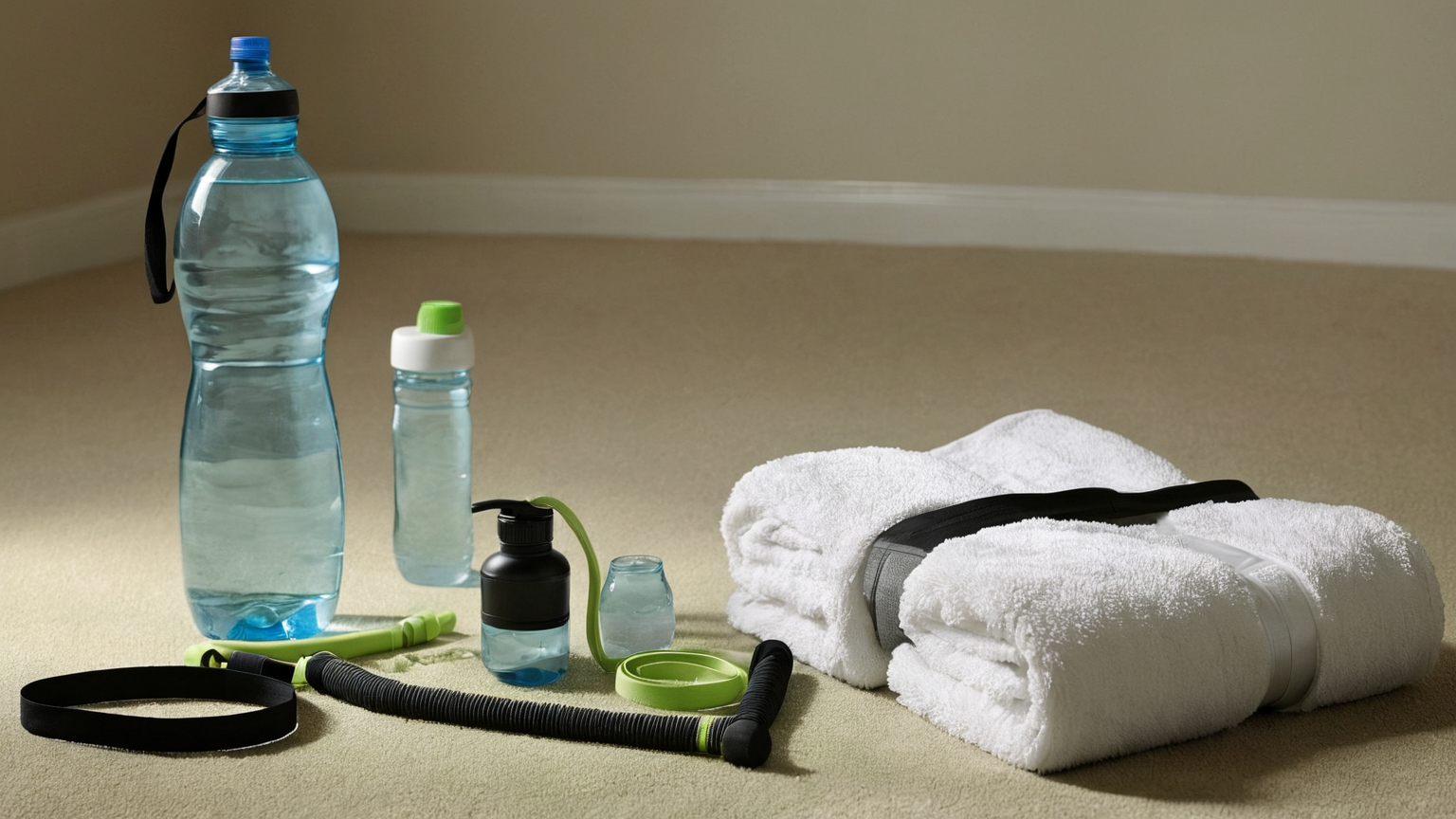
Pack a small routine rather than a large bag. A refillable water bottle, one personal towel, a light resistance band, shoes you trust on smooth floors, and a small bottle of hand sanitizer cover most scenarios. Keep the phone in one place instead of carrying it from bench to bench. If you need a timer, set it once and avoid scrolling between sets. Wipe equipment before and after use when supplies are present; if supplies are missing, choose movements that require less shared surface contact.
For hotel rooms, inspect the floor before doing push-ups or mobility work. Use a towel or mat barrier, keep luggage out of the movement path, and avoid jumping if downstairs neighbors, slick floors, or low ceilings make impact work inappropriate. Travel workouts should be quiet, controlled, and easy to stop.
When to skip the gym completely
Skip or postpone the session if you have fever, vomiting, severe diarrhea, chest pain, fainting, new injury pain, heat illness symptoms, or exhaustion that could make stairs, driving, swimming, or childcare unsafe afterward. Also skip if the gym has obvious maintenance problems: wet electrical areas, broken benches, exposed cables, unstable treadmills, or blocked exits. Consistency is valuable only when the environment supports a safe decision.
After-session review
Within an hour, ask three questions. Did the workout improve energy rather than drain it? Did any equipment feel questionable? Did hydration, meals, or sleep need a correction before the next session? Use the answers to choose tomorrow’s plan. If the session felt harder than expected, downgrade the next workout before fatigue makes the decision for you.
Practical follow-up log
Use a short follow-up log so the article becomes an action plan rather than a one-time read. Record the date, the condition you observed, the safer option you chose, and whether the result was better the next day. Keep the log simple enough to repeat: one line for the signal, one line for the action, and one line for the result. If the same problem appears twice, improve the setup before the third attempt instead of relying on willpower.
This is also where helpful-content quality matters. A checklist is only useful when it changes behavior in the real setting. Put supplies near the decision point, remove choices that create avoidable risk, and share the boundary with anyone else involved. If another adult, passenger, family member, or contractor participates, make the stop rule explicit before work starts. The safest plan is the one that remains understandable when the day is hot, crowded, rushed, or inconvenient.
Finally, revisit the official source links when conditions change. Public-health pages, vehicle guidance, food-safety instructions, and energy-efficiency recommendations can move or update. If a source contradicts a habit, prefer the current source and adjust the habit. That protects both reader safety and long-term site trust.