Resistance Band Door Anchor Home Workout Safety Plan
A practical home-fitness guide for checking resistance bands, door anchors, setup space, and stop rules before a band workout.
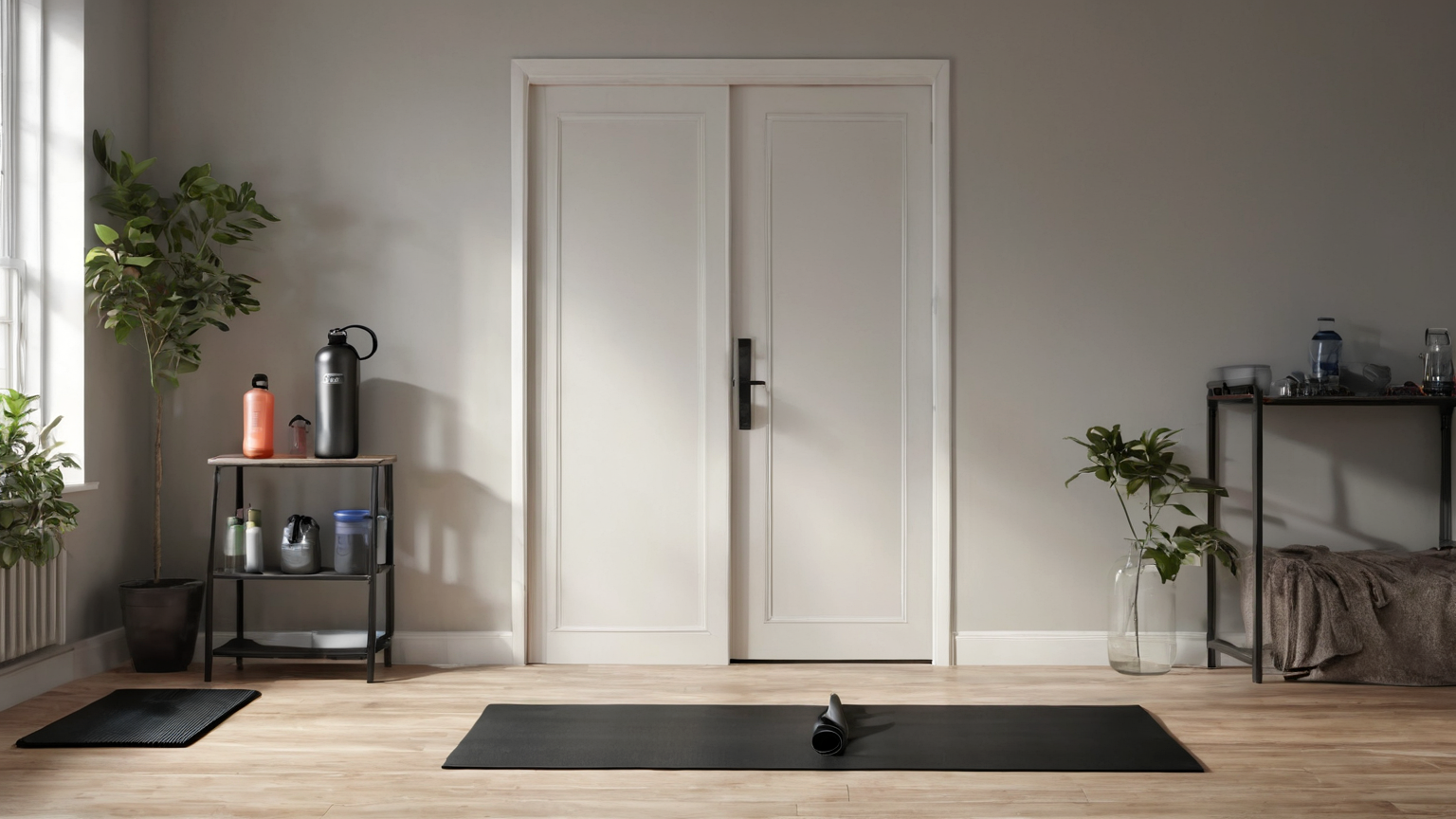
This article is for general education only and is not medical advice. Stop exercise and seek qualified care for chest pain, fainting, severe shortness of breath, neurological symptoms, uncontrolled blood pressure, recent surgery concerns, pregnancy-related concerns, or symptoms that worsen instead of improving.
Evidence and boundary review
BodyWise Lab articles cite primary sources, show update dates, and separate practical routines from clinical decisions. Source-checking is an editorial process, not a personal medical endorsement.
Resistance bands make home strength training convenient, but convenience can hide setup risks: cracked bands, weak door anchors, slippery floors, cramped rooms, and movements that pull the band toward the face. A useful plan checks the equipment and the room before effort rises. This guide was prepared on 2026-06-24 using CDC, MedlinePlus, Mayo Clinic, ACSM, CPSC, and NIOSH sources. It is not medical advice, physical therapy, product certification, or a substitute for a manufacturer manual; pain, numbness, dizziness, recent injury, or post-surgery exercise questions belong with a qualified clinician or trainer.
Practical decision table
| Situation | Safer choice | Mistake to avoid |
|---|---|---|
| Band has cracks or sticky spots | Retire it before training | Stretching it to see if it survives |
| Door anchor feels uncertain | Choose another exercise or anchor method | Pulling harder to test it under load |
| Band path points toward face | Change angle or exercise | Relying on reaction time if it slips |
| Room is cramped or slippery | Clear space or shorten the routine | Training around clutter and cords |
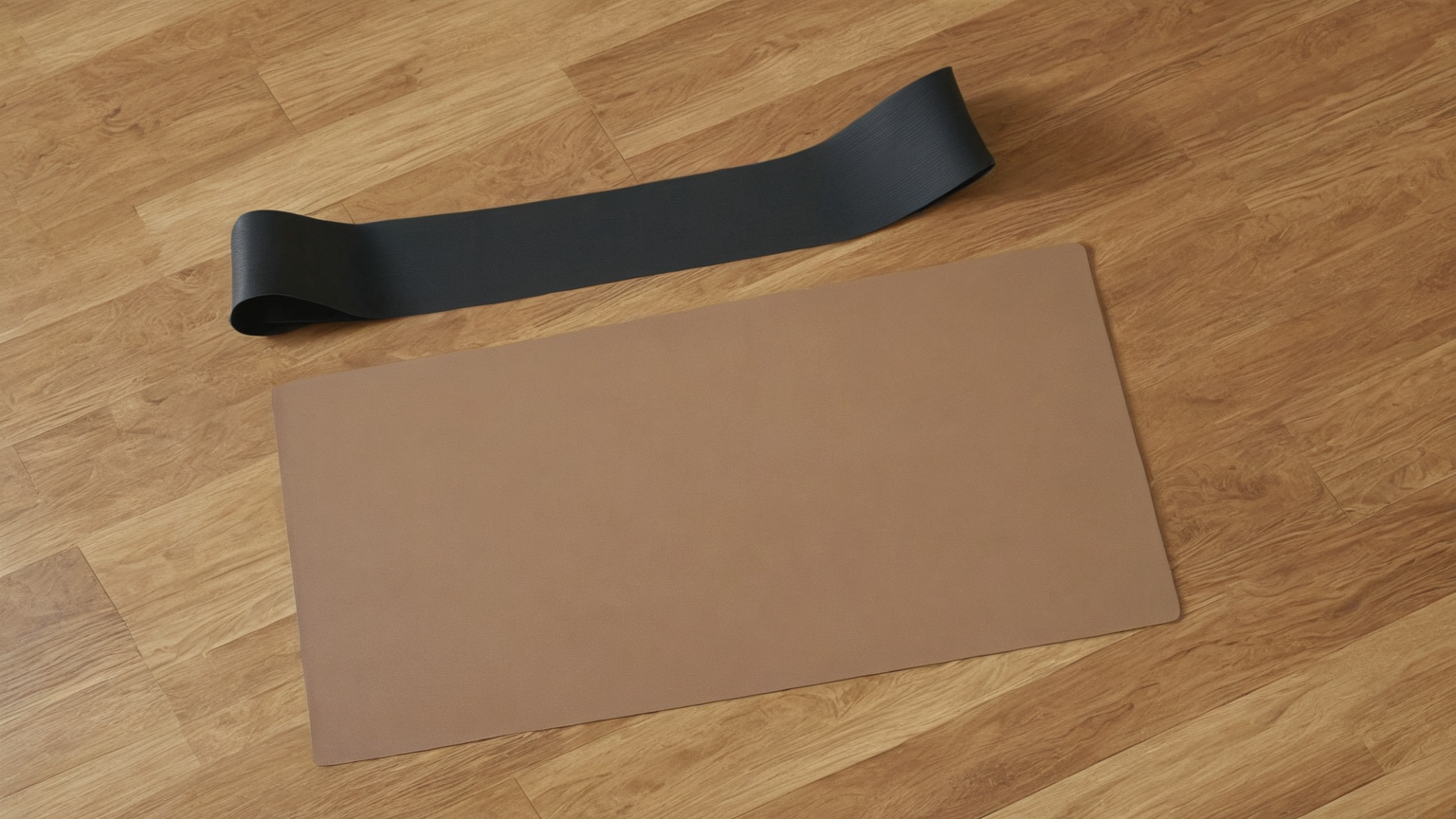
1. Inspect the band before every session
Look for cracks, whitening, cuts, sticky spots, damaged handles, weak stitching, or a smell that suggests material breakdown. Bands fail under tension, so a small defect can become a fast-moving snap. Retire questionable gear instead of trying to get one more workout from it.
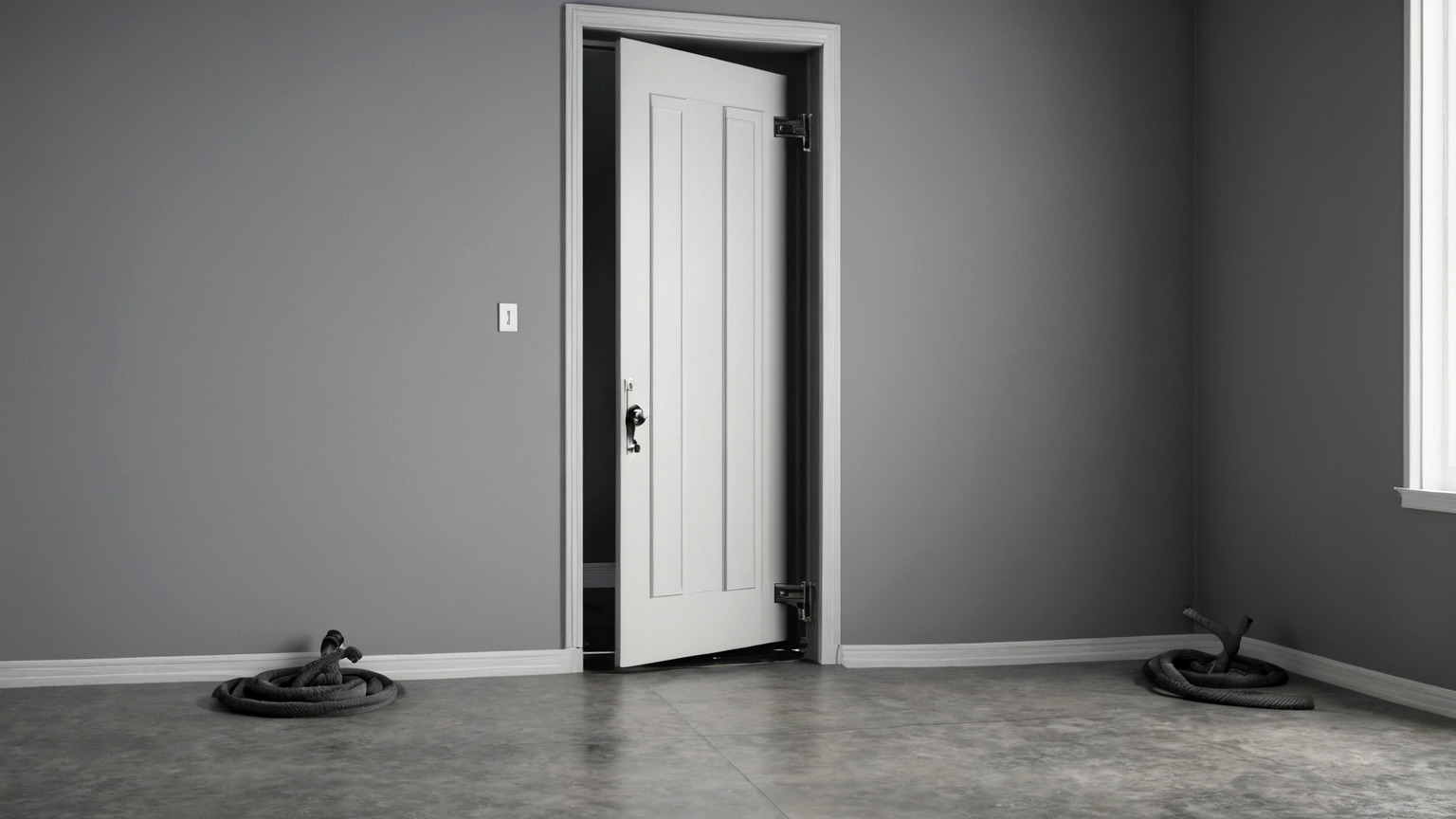
Implementation note: decide the stop condition before the risky moment starts. If the real situation crosses that line, use the lower-risk option even when it feels inconvenient. That repeatable rule is what makes the article useful rather than just inspirational.
2. Treat the door anchor as a load-bearing choice
Use only a stable setup that matches the product instructions, door direction, latch condition, and household traffic. Keep people and pets away from the door, and avoid angles where a failure would send the band toward your face. If the anchor or door feels questionable, switch to floor-based or free-band exercises.
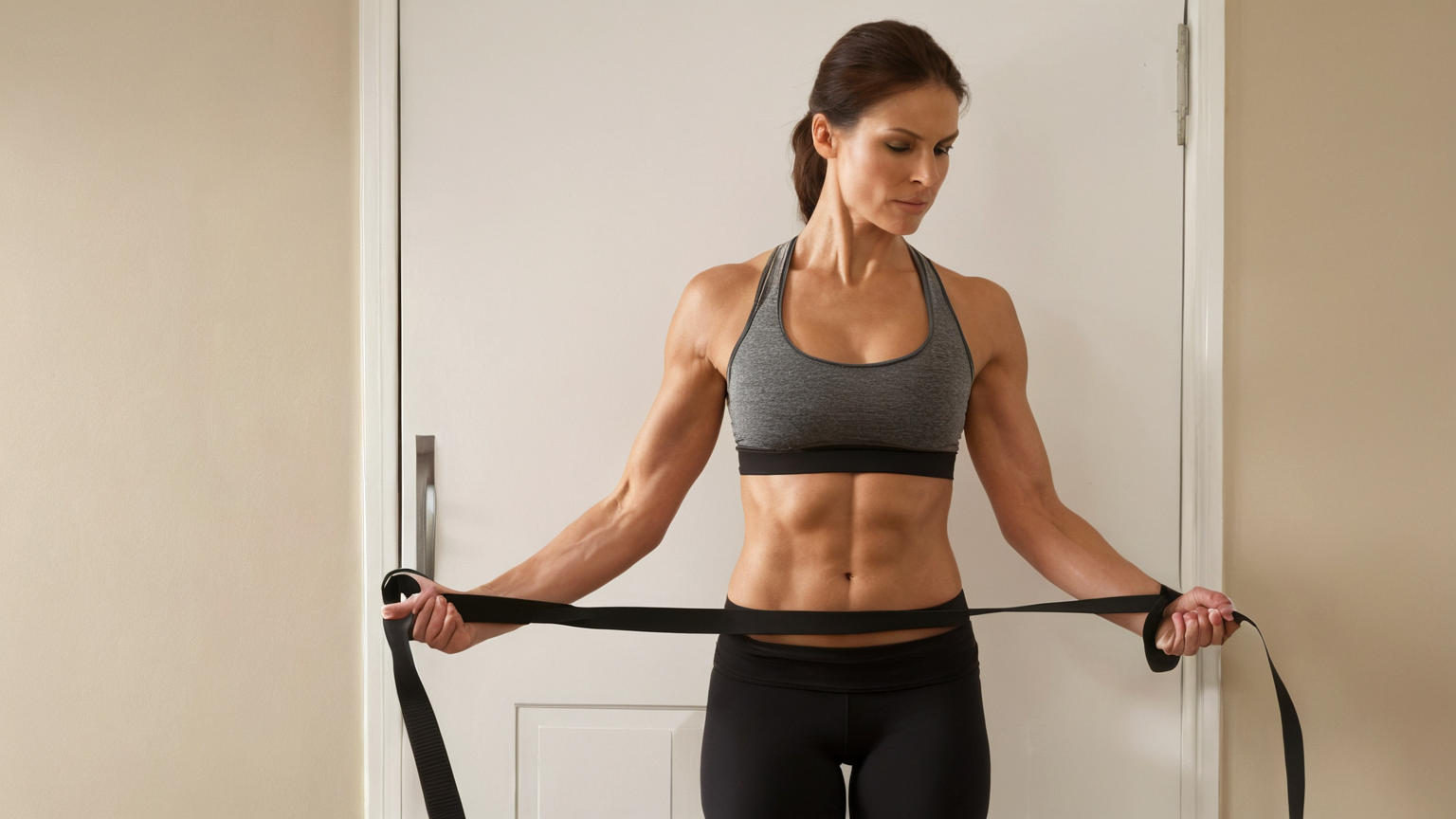
Implementation note: decide the stop condition before the risky moment starts. If the real situation crosses that line, use the lower-risk option even when it feels inconvenient. That repeatable rule is what makes the article useful rather than just inspirational.
3. Keep form and tension conservative
Resistance rises as the band stretches. Start with lower tension, slower tempo, and a range of motion you can control. Stop before form breaks or the band path becomes unpredictable. The goal is repeatable training stimulus, not proving that a small tool can mimic every gym machine.

Implementation note: decide the stop condition before the risky moment starts. If the real situation crosses that line, use the lower-risk option even when it feels inconvenient. That repeatable rule is what makes the article useful rather than just inspirational.
4. Control the room before the movement
Clear rugs, toys, furniture corners, water, and loose cords. Stand where a step backward will not hit a wall or table. Good home training is partly choreography: the safest exercise is one that fits the room you actually have today.

Implementation note: decide the stop condition before the risky moment starts. If the real situation crosses that line, use the lower-risk option even when it feels inconvenient. That repeatable rule is what makes the article useful rather than just inspirational.
5. Use symptoms and product warnings as stop rules
Stop for sharp pain, tingling, dizziness, unusual shortness of breath, or equipment movement that surprises you. Also stop if the product manual warns against a setup you are considering. A modified exercise with safe tension beats an ambitious setup that depends on luck.
Implementation note: decide the stop condition before the risky moment starts. If the real situation crosses that line, use the lower-risk option even when it feels inconvenient. That repeatable rule is what makes the article useful rather than just inspirational.
Seven-point implementation checklist
- Check the current official source, alert, manual, or label before relying on memory.
- Set up the physical space before the risky step starts.
- Keep safety numbers, warnings, and decision logic in accessible body text rather than generated image text.
- Use smaller portions, shorter sessions, slower speeds, or hybrid routines when conditions are uncertain.
- Document the exception so the next attempt improves instead of repeating a mistake.
- Avoid affiliate recommendations where safety, health, or trust is the reader’s main need.
- Revisit the plan when the season, trip, outage, room condition, or training block changes.
Source notes and limitations
The linked sources are used to set conservative decision boundaries, not to create medical, legal, electrical, food- service, mechanical, emergency-response, or remediation instructions. Local alerts, product manuals, recalls, clinicians, emergency responders, inspectors, and qualified professionals can override this general planning guide.
FAQ
Why is this a 2026 guide?
The post was prepared during the 2026-06-24 publishing run and its source URLs were checked as part of the workflow. Readers should still open current official pages when conditions are changing.
Why are the visuals plain?
The images are GTI13 raster illustrations. They avoid readable labels, fake dashboards, medical text, unsafe food scenes, or appliance-control claims so the factual guidance remains in the article body.
Does this page push products?
No. It supports AdSense readiness through helpful guidance, source transparency, internal navigation, practical limitations, and a non-commercial safety-first structure.